The anime streaming landscape changed significantly in early 2026 when Sony-owned Crunchyroll eliminated its free tier entirely. For years, Crunchyroll’s ad-supported free access had been the default starting point for anyone building a watching habit, and its removal created an immediate gap that both legitimate platforms and unofficial alternatives have moved to fill.
The result is a more fragmented but also more interesting market than existed a year ago. Whether you are new to anime, a returning viewer looking to catch up on seasonal simulcasts, or a longtime enthusiast trying to stretch a budget across an increasingly expensive set of subscriptions, choosing the right anime streaming sites in 2026 requires understanding what each platform actually delivers. This article maps the full landscape across paid, free legal, and unofficial options.
| 🎌 Platform | 📋 Type | 💲 Cost | 🏆 Best for |
|---|---|---|---|
| Crunchyroll | Paid (free tier eliminated in 2026) | ~$7.99–$14.99/month | Simulcasts, largest legal catalog |
| Netflix | Paid | ~$7–$23/month (plan-dependent) | Originals, Studio Ghibli, broad audience |
| HiDive | Paid | ~$4.99/month | Niche, classic, and hard-to-find titles |
| Tubi | Free legal (ad-supported) | Free | Mainstream library titles |
| RetroCrush | Free legal (ad-supported) | Free | Classic anime from the 70s–90s |
| Kanopy | Free legal (library card) | Free with library access | Critically acclaimed films, no ads |
| 9Anime / AniWatch | Unofficial (free) | Free | Largest unofficial catalog, recent episodes |
| AnimePahe | Unofficial (free) | Free | Clean interface, download-friendly |
The best paid anime streaming sites for simulcasts and catalog depth
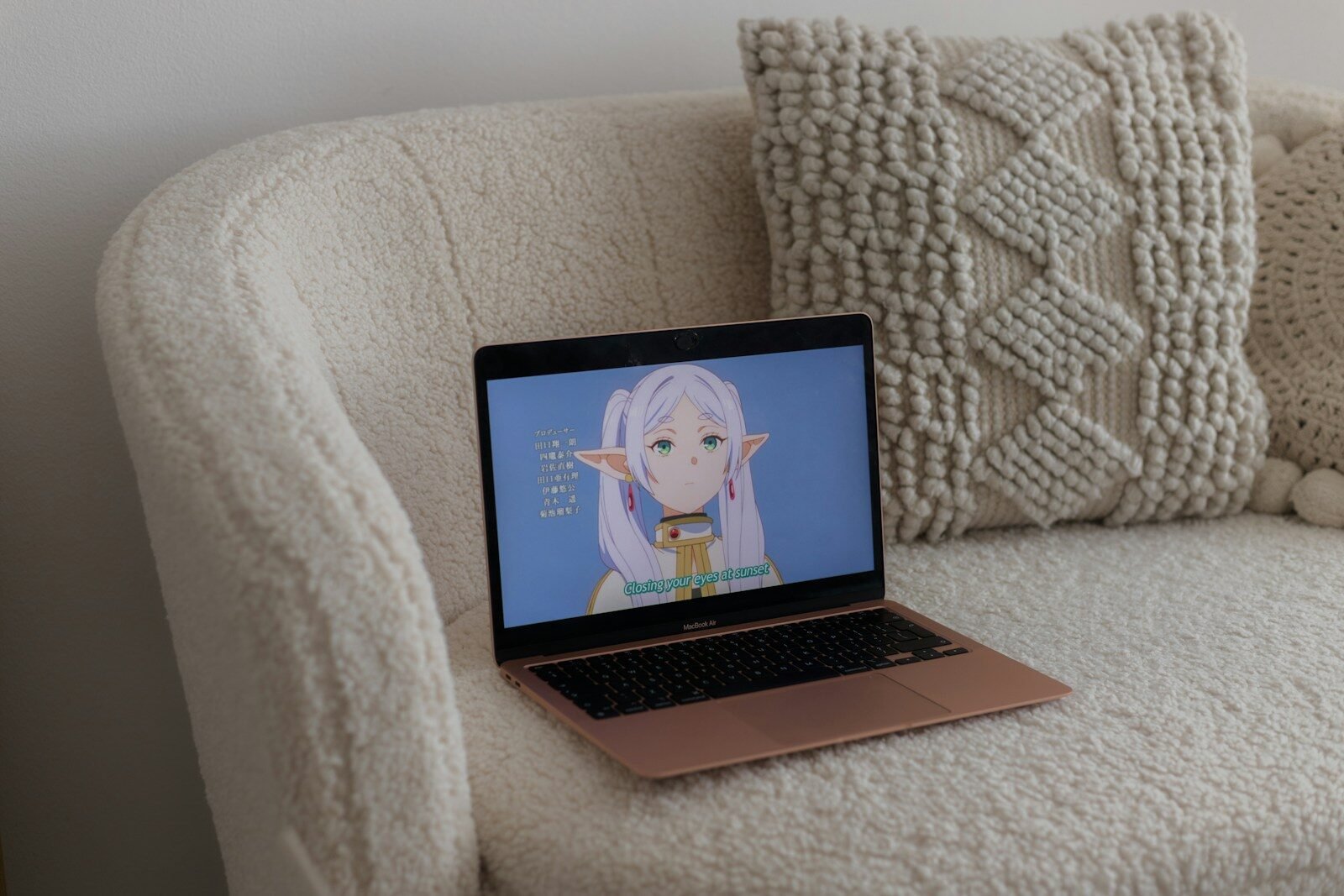
Crunchyroll remains the dominant force in licensed anime despite the elimination of its free tier. With the largest legal anime library available on any single platform, it offers simultaneous simulcast access to new episodes typically within hours of their Japanese broadcast. For seasonal viewers who follow ongoing series like Demon Slayer, One Piece, Jujutsu Kaisen, or My Hero Academia, no other platform matches Crunchyroll’s combination of release speed and breadth. Its acquisition of Funimation’s catalog in recent years consolidated the two previously competing premium libraries into one, making it the single most comprehensive paid option in the English-language market.
The core subscription tiers in 2026 start at approximately $7.99 per month for the fan tier (with ads on older content), $9.99 for the mega fan tier (ad-free), and $14.99 for the ultimate fan tier which adds offline downloads. The recent removal of the free ad-supported tier has pushed many casual users toward alternatives, but for dedicated anime enthusiasts who watch multiple seasonal series per season, the per-title value remains strong.
Netflix has invested heavily in anime over the past several years and now holds one of the strongest libraries of original anime productions alongside an exclusive deal for the complete Studio Ghibli catalog. Netflix originals including Arcane, Cyberpunk: Edgerunners, Pluto, and Scott Pilgrim Takes Off have attracted viewers who would not describe themselves as core anime fans but engage deeply with prestige animated content. The platform’s monthly cost ranges from approximately $7 to $23 depending on the ad-supported or ad-free plan selected, and its anime content is accessible on every device Netflix supports.
HiDive is the hidden gem of the paid anime streaming sites landscape. At approximately $4.99 per month, it is significantly cheaper than Crunchyroll while covering a catalog specifically strong in classic titles, niche productions, and series that the larger platforms have not licensed. For viewers who have already watched everything Crunchyroll’s mainstream catalog offers and want to explore deeper cuts from the 1980s, 1990s, and early 2000s, HiDive provides an experience that no other legal platform matches at its price point.
| 💳 Paid platform | 💲 Monthly cost | 📂 Catalog strength | ⚡ Simulcast speed |
|---|---|---|---|
| Crunchyroll (Mega Fan) | ~$9.99/month | Largest legal library; 1,000+ series | Hours after Japan broadcast |
| Netflix | ~$7–$23/month | Strong originals; Studio Ghibli exclusive | Netflix originals only; no simulcasts |
| HiDive | ~$4.99/month | Classic and niche titles; deeper catalog cuts | Some simulcasts; seasonal coverage |
| Amazon Prime Video | Included with Prime | Select titles; anime channels add-on | Limited direct simulcasts |
| Disney+ | ~$8–$14/month | National Geographic anime docs; select titles | Minimal anime focus |
Free legal anime streaming sites worth using in 2026
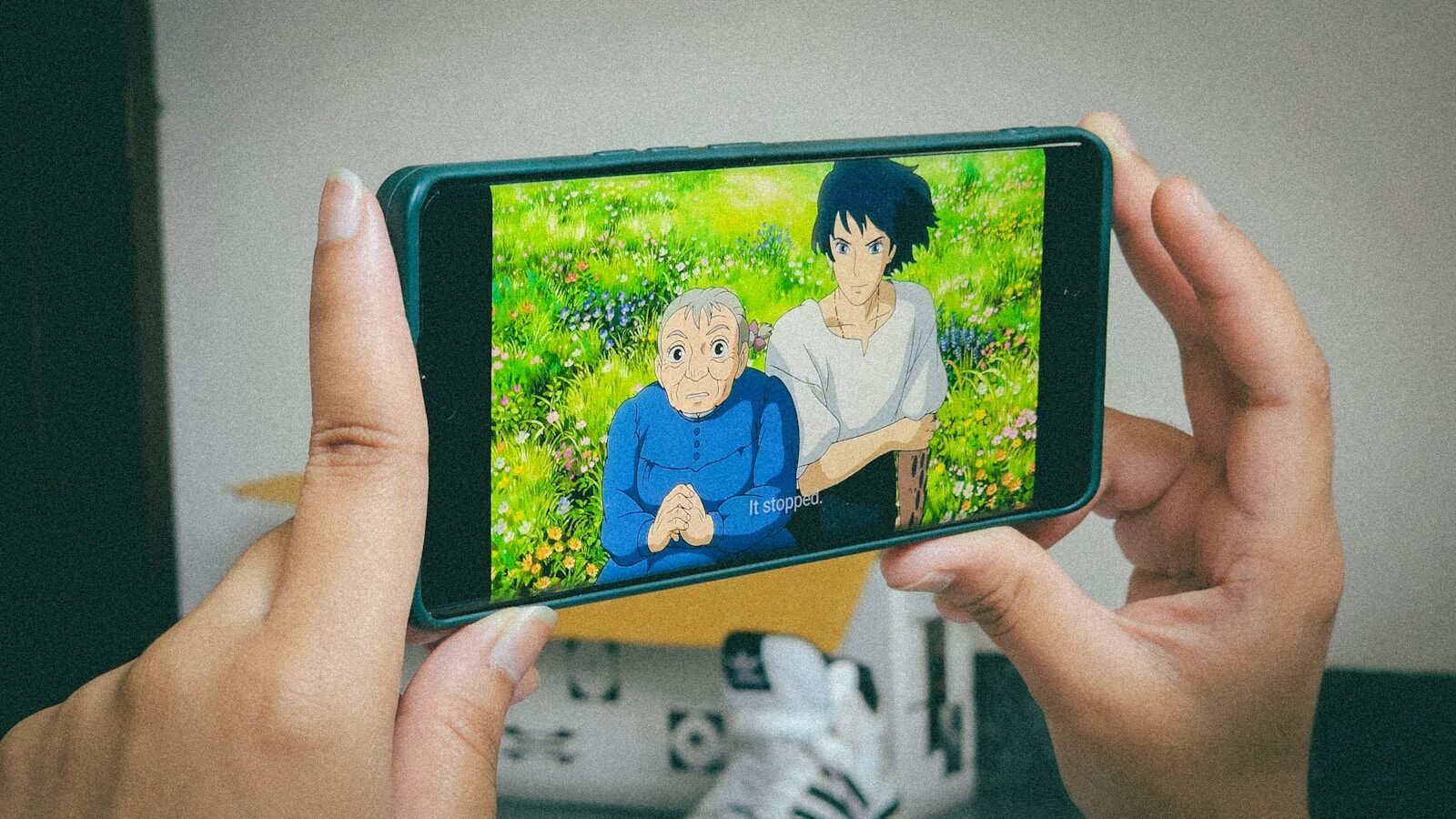
The elimination of Crunchyroll’s free tier created immediate demand for legitimate no-cost alternatives, and several platforms have expanded their anime offerings in direct response.
Tubi is the most accessible free legal anime streaming site for American viewers. Owned by Fox Corporation, Tubi offers a substantial selection of mainstream anime series fully licensed for ad-supported viewing. Its catalog covers popular gateway series including Naruto, Dragon Ball Z, Bleach, Fairy Tail, and Black Clover, making it an excellent starting point for viewers new to anime or those returning after a break who want to catch up on established titles without paying for a subscription. The ads are present but relatively short, and the platform is entirely safe and legal on all major devices.
RetroCrush has carved out a distinct niche among free legal anime streaming sites by focusing exclusively on classic anime from the 1970s, 1980s, and 1990s. For viewers drawn to the animation style, storytelling, and cultural context of that era, RetroCrush is without peer among free legal options. It is fully licensed, ad-supported, and covers titles that rarely appear on other platforms.
Kanopy represents one of the most underused free resources for anime fans with access to a public library card. Available through most major public library systems in the United States, Canada, and Australia, Kanopy offers completely ad-free streaming of critically acclaimed anime films and select series. The catalog includes Ghost in the Shell (1995), Perfect Blue, Spirited Away, Terror in Resonance, and a range of films by acclaimed directors. The experience is genuinely equivalent to a premium service in terms of interface quality and the complete absence of advertising. Sign-up requires only a library card number and an email address.
YouTube’s official anime channels provide another layer of free legal access. Several major studios and distributors including Toei Animation and others have official YouTube channels that upload full episodes or entire series with subtitles. The content is inconsistent by title, but for specific popular series that have received official YouTube releases, the quality is legitimate and the platform carries no security risks.

How unofficial free anime streaming sites fit into the picture
For anime hobbyists who have exhausted the free legal catalog and cannot or do not want to pay for a premium subscription, unofficial anime streaming sites continue to exist in a space that sits outside legal authorization but remains widely used. These platforms are important to understand honestly rather than to dismiss without context.
9Anime and AniWatch are the most consistently recommended platforms in this category across anime community forums and subreddits in 2026. Both offer extensive catalogs that include both recent simulcast episodes and older titles, typically with both subtitled and dubbed versions. The interface on both platforms is cleaner and more navigable than the ad-heavy aggregators that dominate the bottom tier of the free streaming market, which is why they attract and retain engaged audiences rather than just casual drive-by visitors. The recommendation from experienced users is consistent: equip your browser with uBlock Origin before visiting, and do not interact with any prompt to install software or grant notification permissions.
AnimePahe has built a reputation for clean design and download-friendly functionality. Batch episode downloads and high-quality encodes have made it the preferred option for viewers who want to build a local collection rather than stream continuously.
The legal risks for viewers of these platforms are real but contextually nuanced. Enforcement actions in the anime space primarily target platform operators rather than end users. That said, the security risks from malvertising, phishing overlays, and fake update prompts are immediate and practical rather than speculative. An up-to-date ad blocker removes the majority of these vectors at the browser level.
How to build an anime watching setup that fits your actual habits ?
The most practical approach to anime streaming sites in 2026 is not to pick one platform and hope it covers everything, but to build a deliberate stack based on what you actually watch and how often you watch it.
For viewers who follow seasonal anime closely and cannot miss simulcast episodes, Crunchyroll at the Mega Fan tier ($9.99/month) or HiDive for less mainstream seasonal series are the appropriate paid foundation. For viewers whose primary interest is in established, completed series rather than current seasons, the combination of Tubi’s free legal catalog and a library card for Kanopy covers a substantial portion of what is available without any monthly cost.
For viewers in between — casual enough to find $10/month difficult to justify but engaged enough to want access to recent seasonal content — the honest answer is that the free legal landscape does not currently offer simultaneous access to current simulcasts. That gap is what continues to drive traffic to unofficial platforms, and it is the same structural problem that drove demand for the streaming aggregators discussed elsewhere in this series.
READ ALSO : Stream east: what happened to the world’s most visited sports streaming site
Several practical considerations help optimize the anime streaming experience regardless of which platform you use:
- Subtitle quality varies significantly between platforms; Crunchyroll’s subtitles are generally considered the most accurate for seasonal content, while unofficial platforms use fansub translations of varying quality
- Mobile and TV app support is a meaningful differentiator; Crunchyroll, Netflix, and HiDive all have well-maintained apps on iOS, Android, Roku, Apple TV, and smart TV platforms, while unofficial sites are browser-only
- Offline download availability for travel or areas with unreliable internet is offered by Crunchyroll (Ultimate Fan tier), Netflix, and HiDive, but not by any free platform
The anime watching hobby has never had more legitimate options than it does in 2026, even if the removal of Crunchyroll’s free tier created a short-term disruption. Building a personalized platform stack around your actual viewing habits, supplementing with free legal catalogs where they deliver relevant content, and approaching unofficial options with the security awareness they require produces a sustainable and satisfying approach to one of the most globally popular entertainment categories of the decade.